 MombasaFish
MombasaFish
MombasaFish
Free · Ages 6–15 · Made in Kenya
The Indian Ocean starts at our doorstep, and it is stranger than anything you have imagined. Octopuses with three hearts. Fish that make sand. Trees that drink salt water. Come and meet them.

Babu SamakiKaribu, mwanangu. I am Babu Samaki. Forty years I have fished this water, and it still surprises me. Come — I will show you what lives in it.
Ten fish you will find in Kenyan waters. Every one of them is real, every fact is true, and most of them are stranger than you would guess. Tap a card to open it.
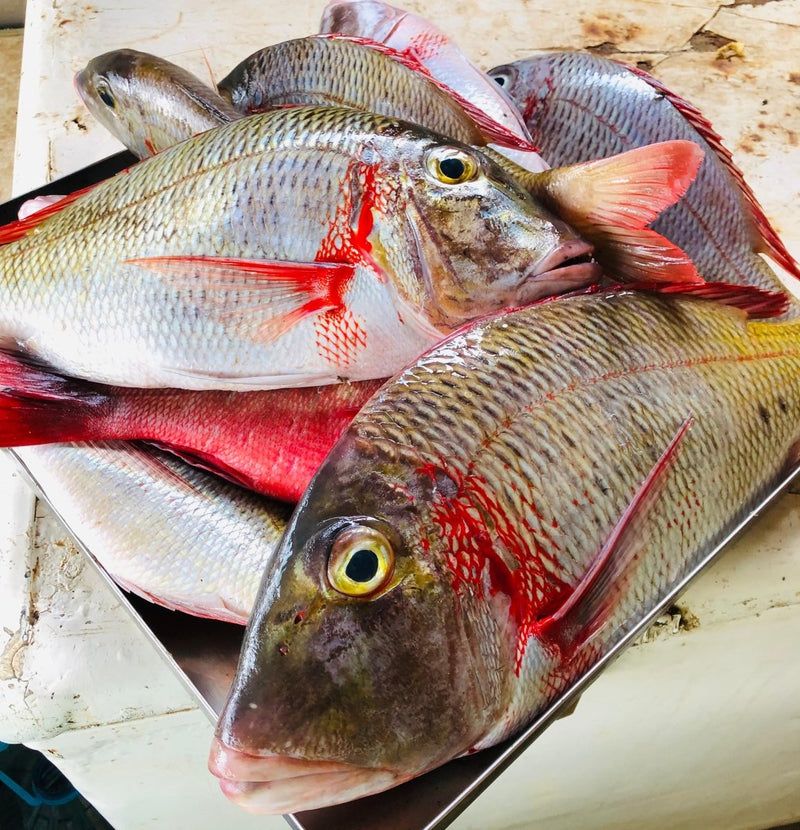 Emperor Fish
Changu · say it: CHAH-ngoo
Open →
Emperor Fish
Changu · say it: CHAH-ngoo
Open →
Lethrinus spp.
Where it lives: Coral reef
What it eats: Crabs, shellfish and small fish it crunches with strong back teeth
Three true things
Looking after it: Common on Kenyan reefs and caught by handline. Reef fish are slow to replace themselves, so size limits matter.
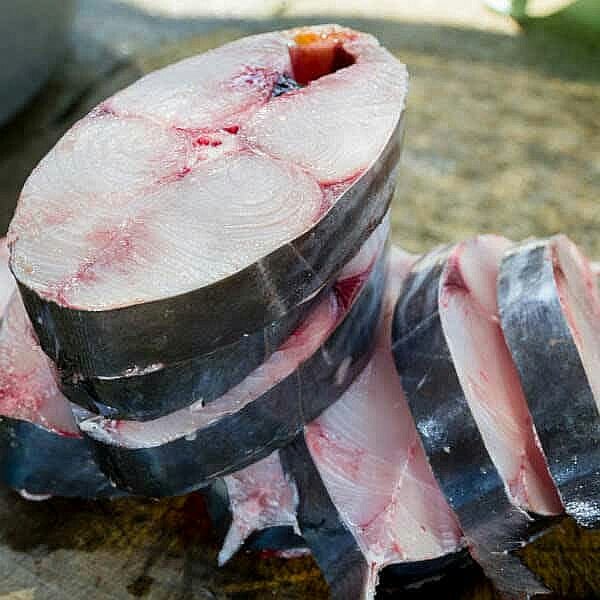 King Fish
Nguru · say it: ng-GOO-roo
Open →
King Fish
Nguru · say it: ng-GOO-roo
Open →
Scomberomorus commerson
Where it lives: Open water near the reef edge
What it eats: Sardines, anchovies and squid, chased at speed
Three true things
Looking after it: A fast-growing ocean fish. Healthier stocks than slow reef species, but still fished hard across the region.
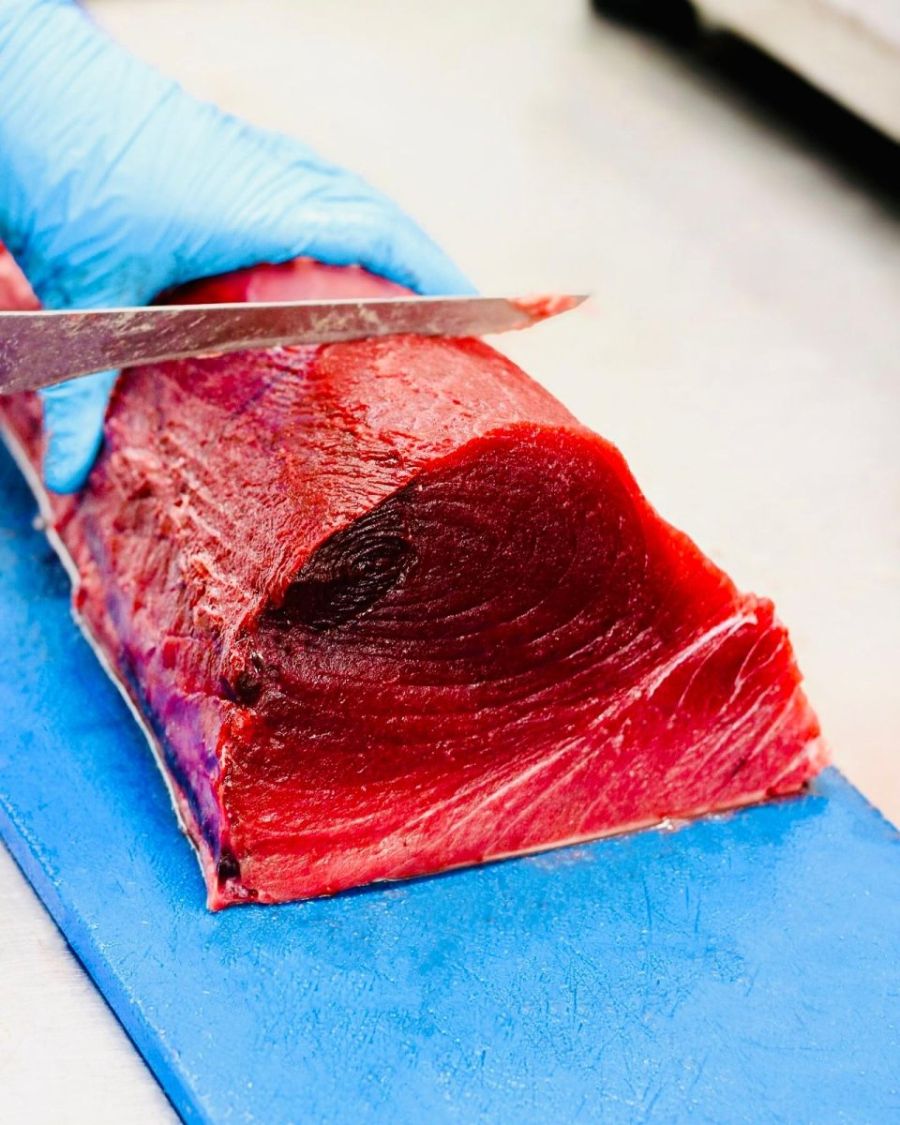 Tuna
Jodari · say it: jo-DAH-ree
Open →
Tuna
Jodari · say it: jo-DAH-ree
Open →
Thunnus albacares
Where it lives: The open ocean of the Pemba Channel
What it eats: Small fish, squid and crustaceans
Three true things
Looking after it: Tuna cross borders, so they are managed by countries working together through the Indian Ocean Tuna Commission.
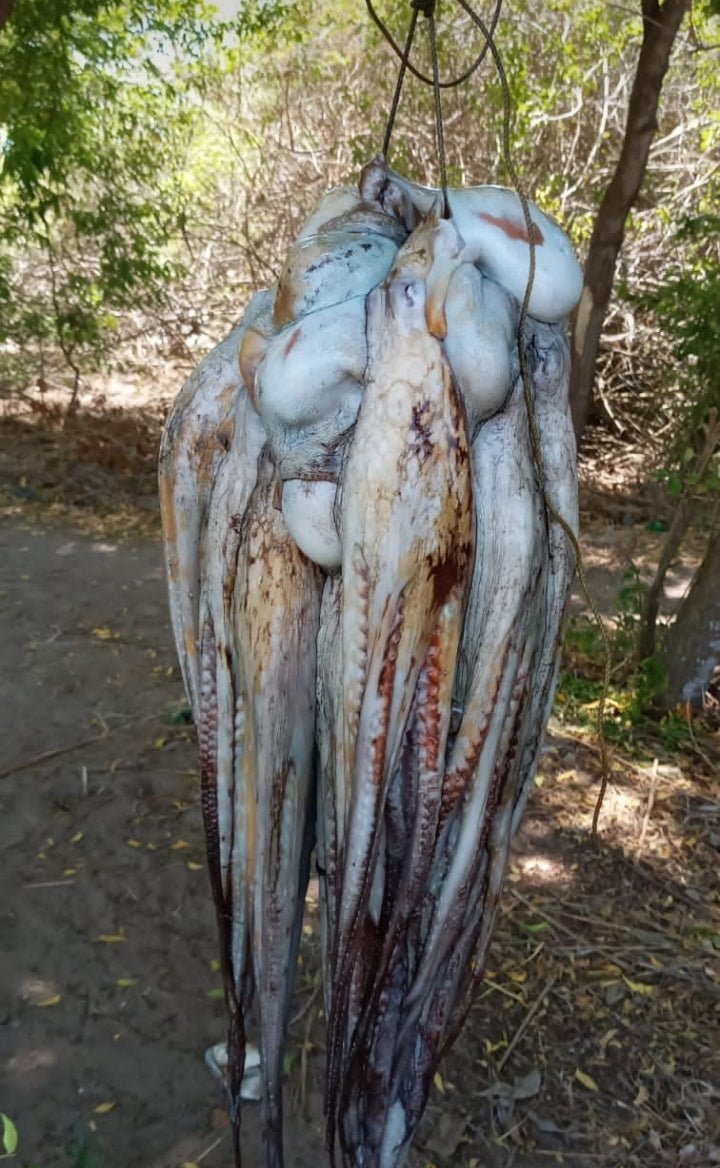 Octopus
Pweza · say it: PWEH-zah
Open →
Octopus
Pweza · say it: PWEH-zah
Open →
Octopus cyanea
Where it lives: Holes and crevices in the coral reef
What it eats: Crabs, shellfish and small fish
Three true things
Looking after it: Kenyan villages have tried closing octopus grounds for a few months at a time. When the area reopens, the octopus are bigger and there are more of them — a simple idea that works.
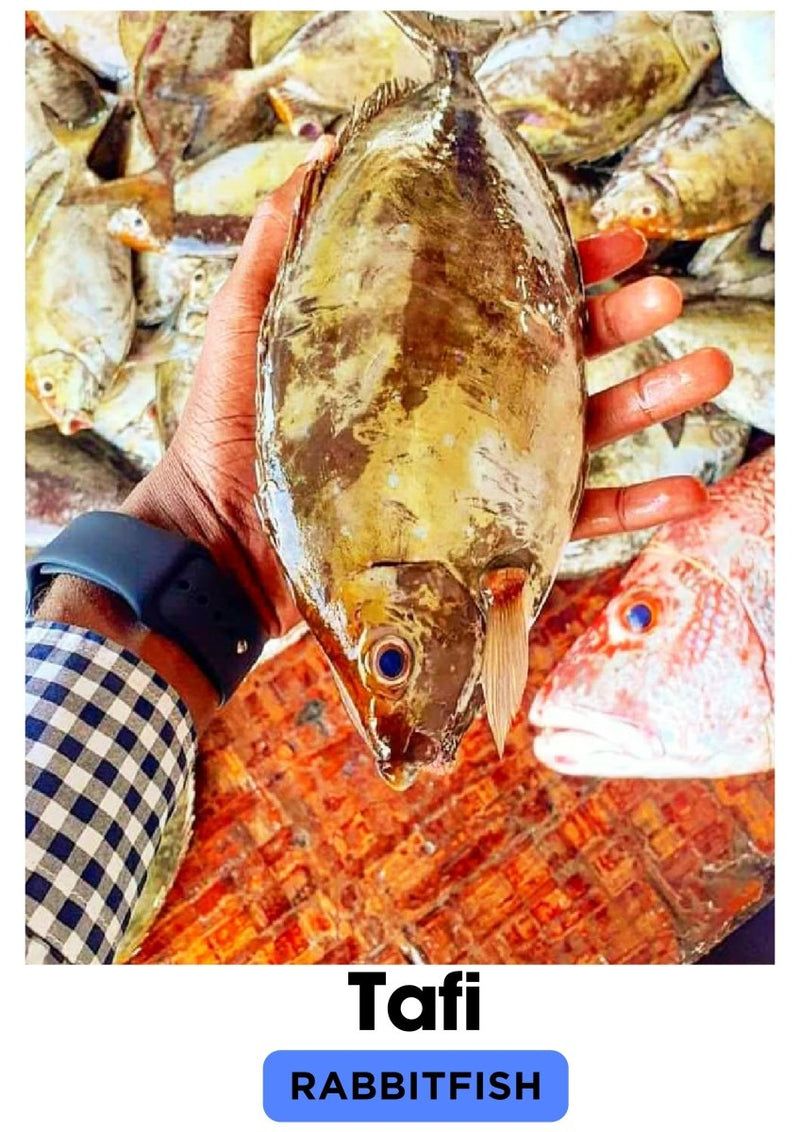 Rabbit Fish
Tafi · say it: TAH-fee
Open →
Rabbit Fish
Tafi · say it: TAH-fee
Open →
Siganus sutor
Where it lives: Seagrass meadows
What it eats: Seagrass and algae — it is a grazer, like a goat of the sea
Three true things
Looking after it: One of the most abundant and fastest-growing fish on this coast, which makes it one of the more sustainable choices.
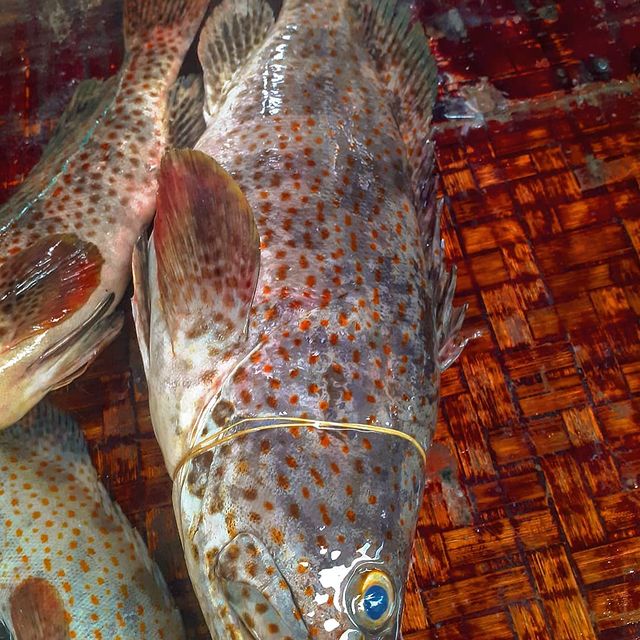 Grouper
Tewa · say it: TEH-wah
Open →
Grouper
Tewa · say it: TEH-wah
Open →
Epinephelus spp.
Where it lives: Caves and overhangs in the reef
What it eats: Fish and crustaceans, swallowed whole in a sudden gulp
Three true things
Looking after it: Large groupers grow slowly and gather in the same place to spawn, which makes them easy to overfish. Small ones should be left to grow.
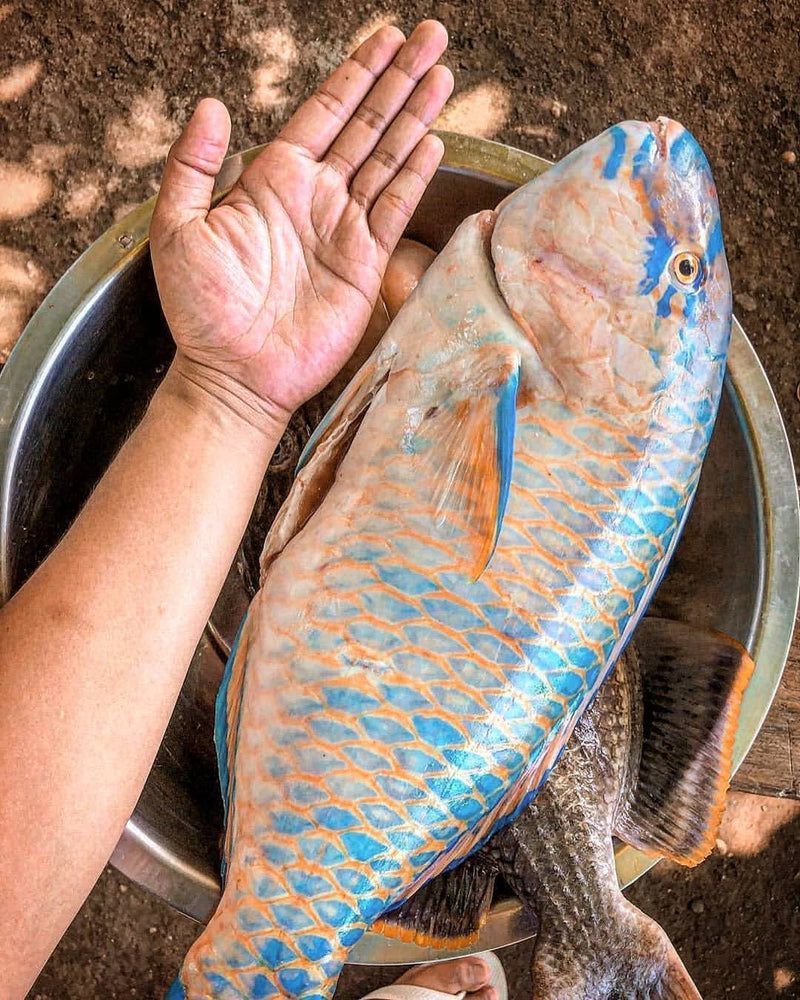 Parrot Fish
Pono · say it: POH-noh
Open →
Parrot Fish
Pono · say it: POH-noh
Open →
Scarus spp.
Where it lives: Coral reef
What it eats: Algae scraped off coral rock with a beak made of fused teeth
Three true things
Looking after it: Parrotfish keep algae from smothering coral, so a reef with plenty of them recovers faster after bleaching.
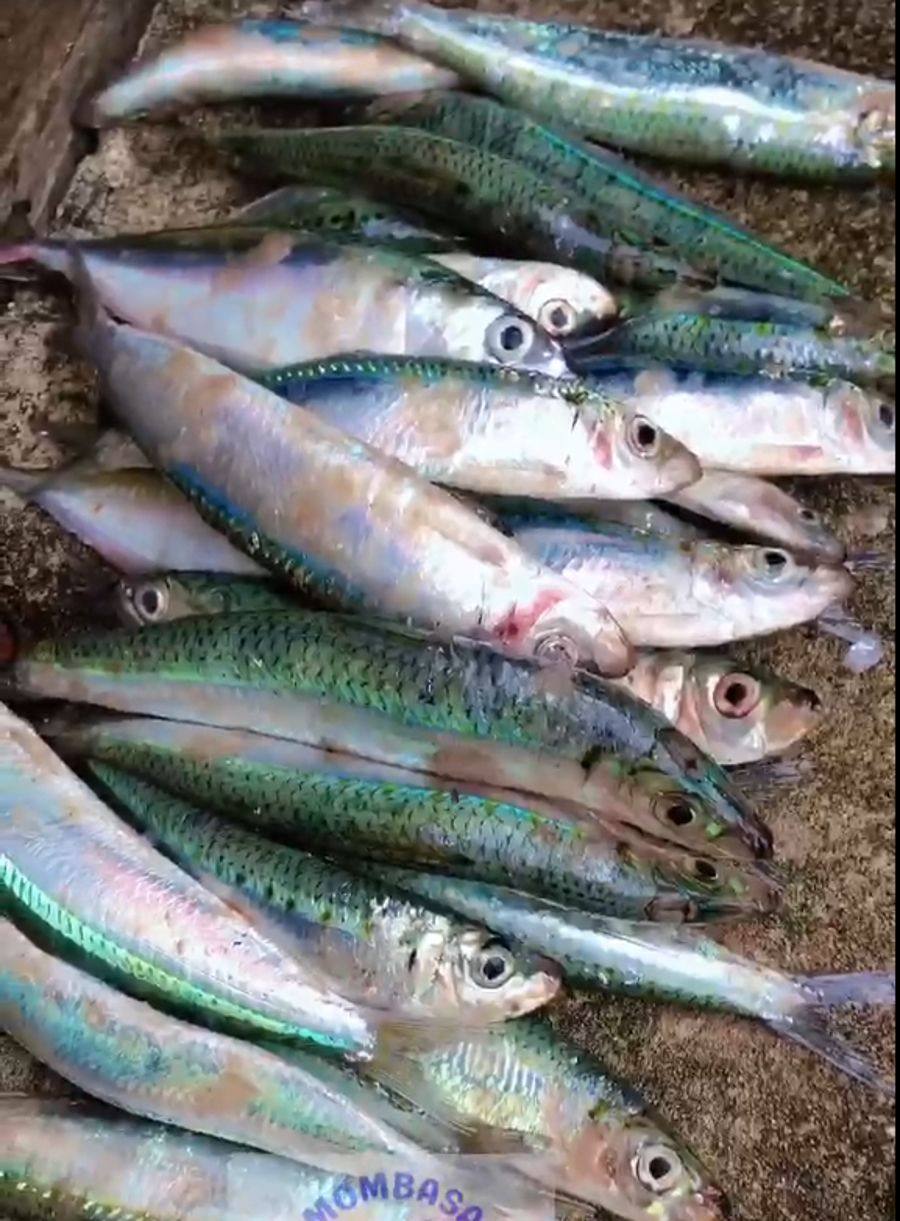 Sardine
Simusimu · say it: see-moo-SEE-moo
Open →
Sardine
Simusimu · say it: see-moo-SEE-moo
Open →
Sardinella spp.
Where it lives: Open water, in huge shoals
What it eats: Plankton — tiny drifting plants and animals
Three true things
Looking after it: Small, fast-breeding and abundant. Eating small fish puts less pressure on the ocean than eating the big ones that hunt them.
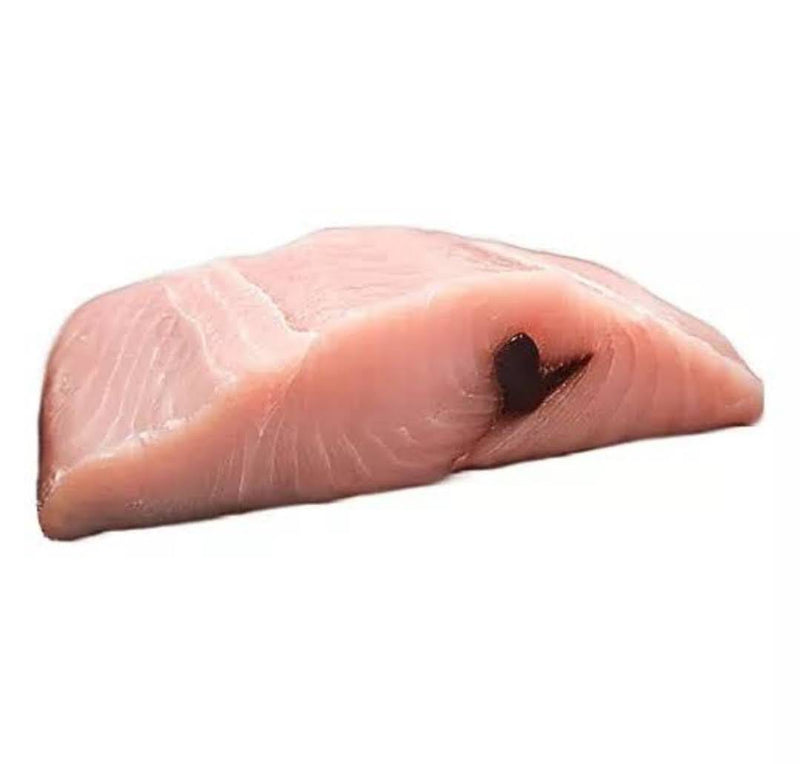 Shark
Papa · say it: PAH-pah
Open →
Shark
Papa · say it: PAH-pah
Open →
Carcharhinus spp.
Where it lives: Reef edges and open water
What it eats: Fish and squid
Three true things
Looking after it: Many shark species are in serious trouble worldwide because they grow slowly and have few young. Several are protected in Kenya and must never be caught or sold.
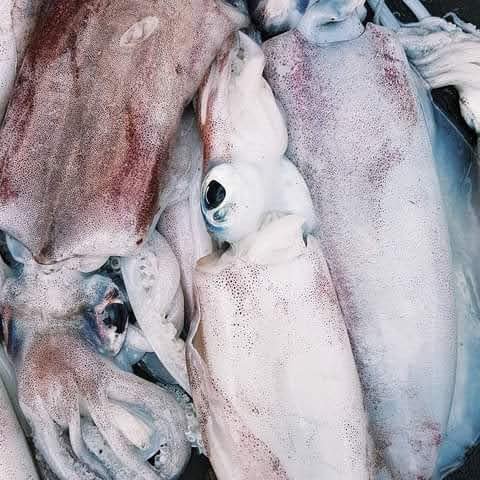 Squid
Ngisi · say it: ng-GEE-see
Open →
Squid
Ngisi · say it: ng-GEE-see
Open →
Uroteuthis duvaucelii
Where it lives: Open water, near the bottom by day
What it eats: Small fish and shrimp caught with two long tentacles
Three true things
Looking after it: Squid live fast and die young — usually within a year — so their numbers recover quickly.
MombasaFish is a business that buys and sells seafood, so it is fair to ask why we would teach you to love the ocean.
Here is the honest answer. People have fished this coast for thousands of years, and done carefully it can go on for thousands more. Done badly it cannot. The difference is in how much is taken, what gear is used, and whether animals are allowed to grow up and breed first.
We never buy or sell dolphins, turtles, protected sharks and rays, seahorses, or anything below the legal size. Those are not products. Some of them are protected by Kenyan law, and all of them are worth more alive.
We do sell fish caught by small boats using handlines, traps and small nets — the gear that takes what it aims at and leaves the reef standing.
If you finish this section believing the ocean is worth looking after, we think that is good for everyone, including us.