 MombasaFish
MombasaFish
MombasaFish
Twelve questions people ask us at the counter every week, answered the way we would answer them standing in front of the ice — and with the fish to buy for each one. No chatbot, no guessing. Just what we would tell you.
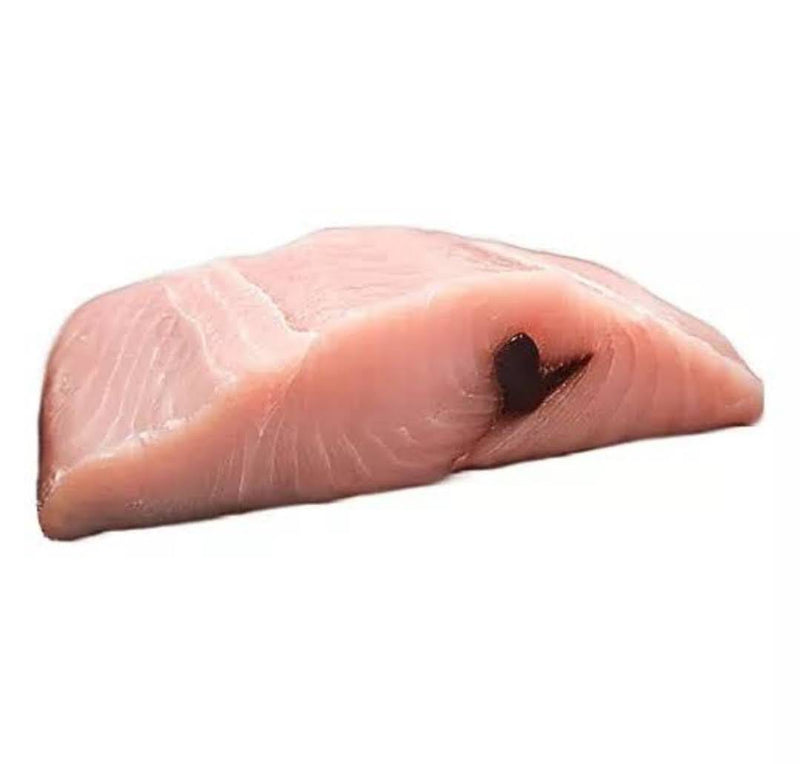
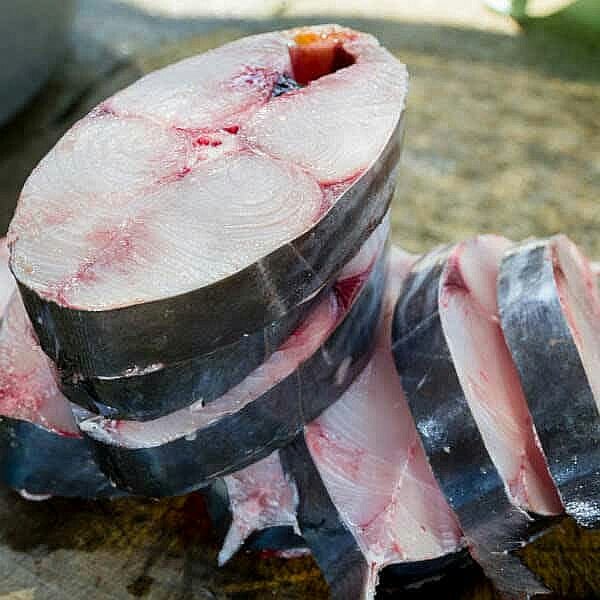
Shark steak (papa) has no bones at all — sharks have cartilage rather than bone, which is why coastal families give it to children and to older people who have given up on picking through a fish. After that, changu has the simplest bone structure of any reef fish on the slab, and nguru steaks have a single central bone and no fine pin bones.
If you want to avoid the question entirely, buy fillets. Boneless is boneless.
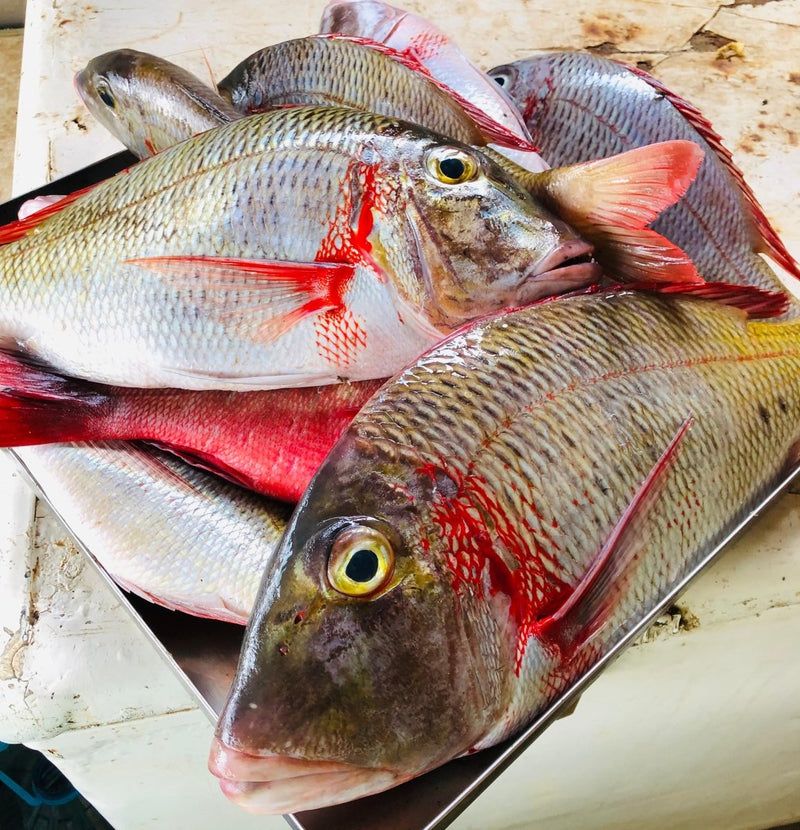
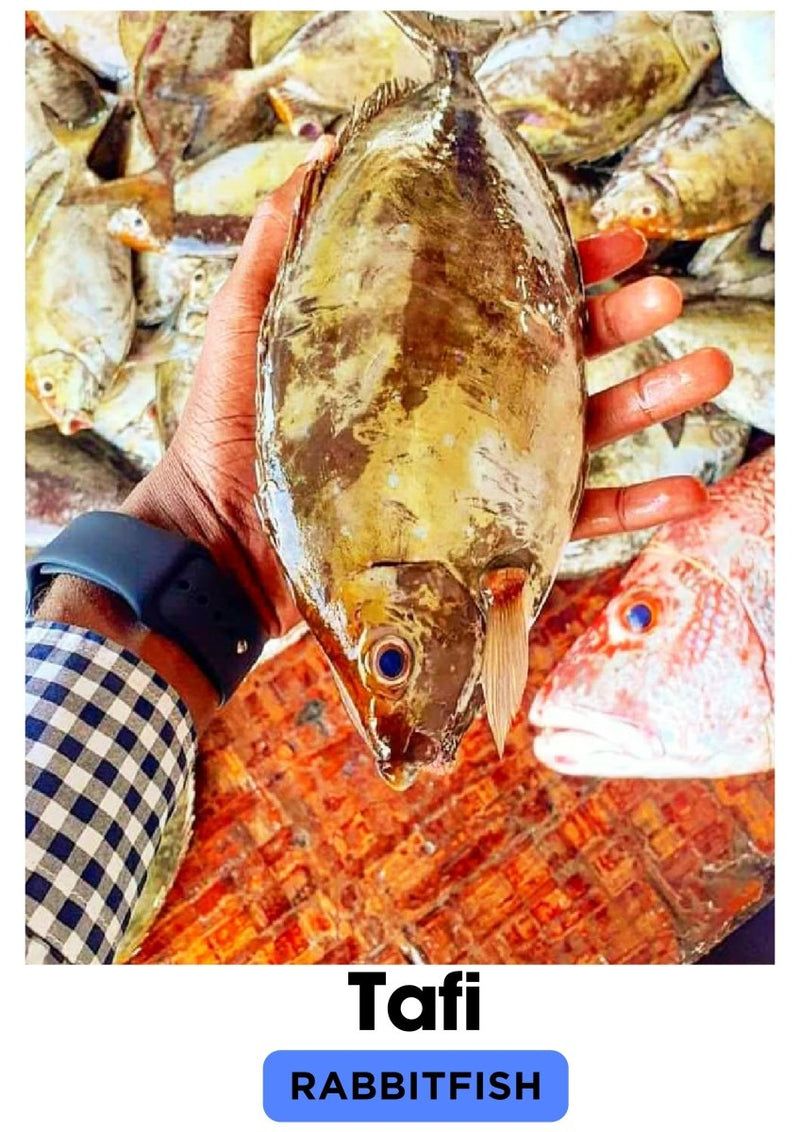
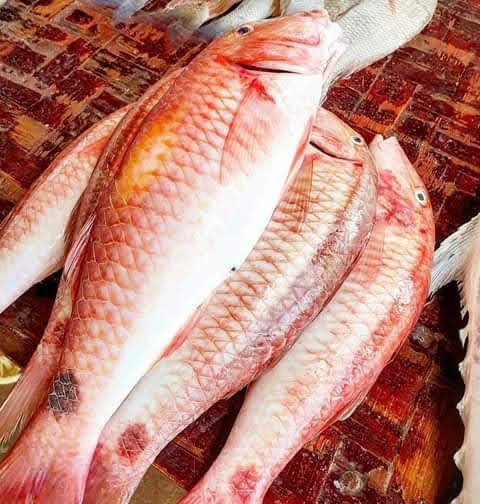
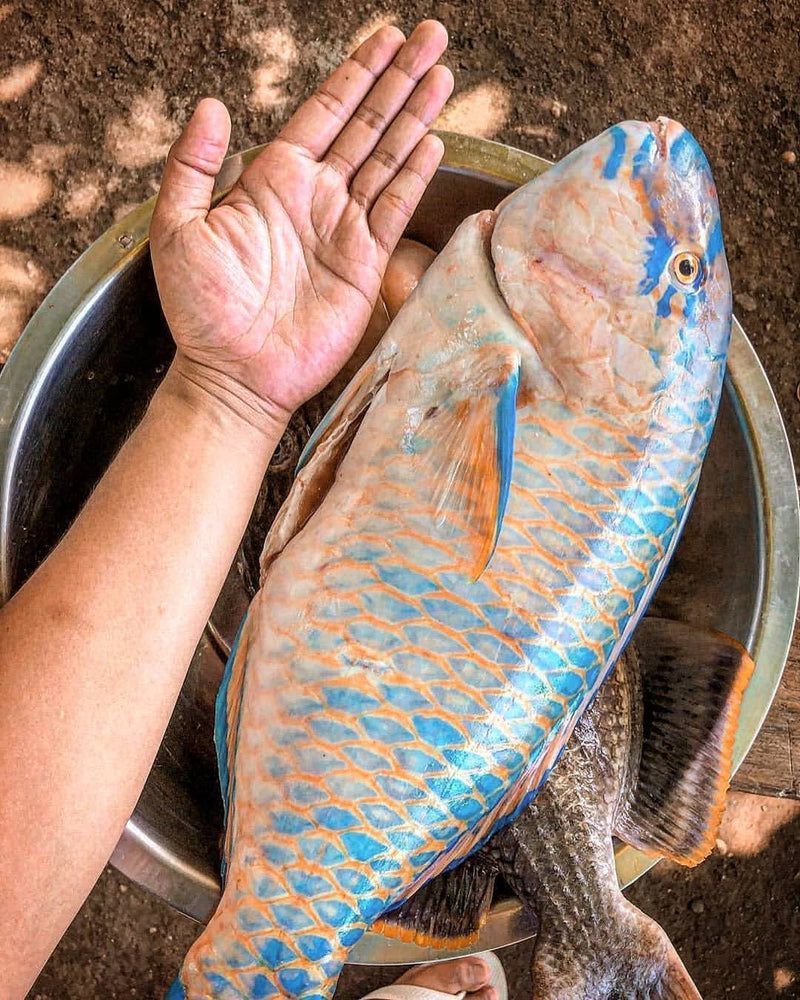
Changu is the answer most Mombasa kitchens would give — score it, season it, fry it whole, and the flesh comes off in clean flakes. Tafi is the everyday choice and cheaper. Mkundaji is the one chefs quietly prefer: small, sweet, almost prawn-like, and it crisps beautifully.
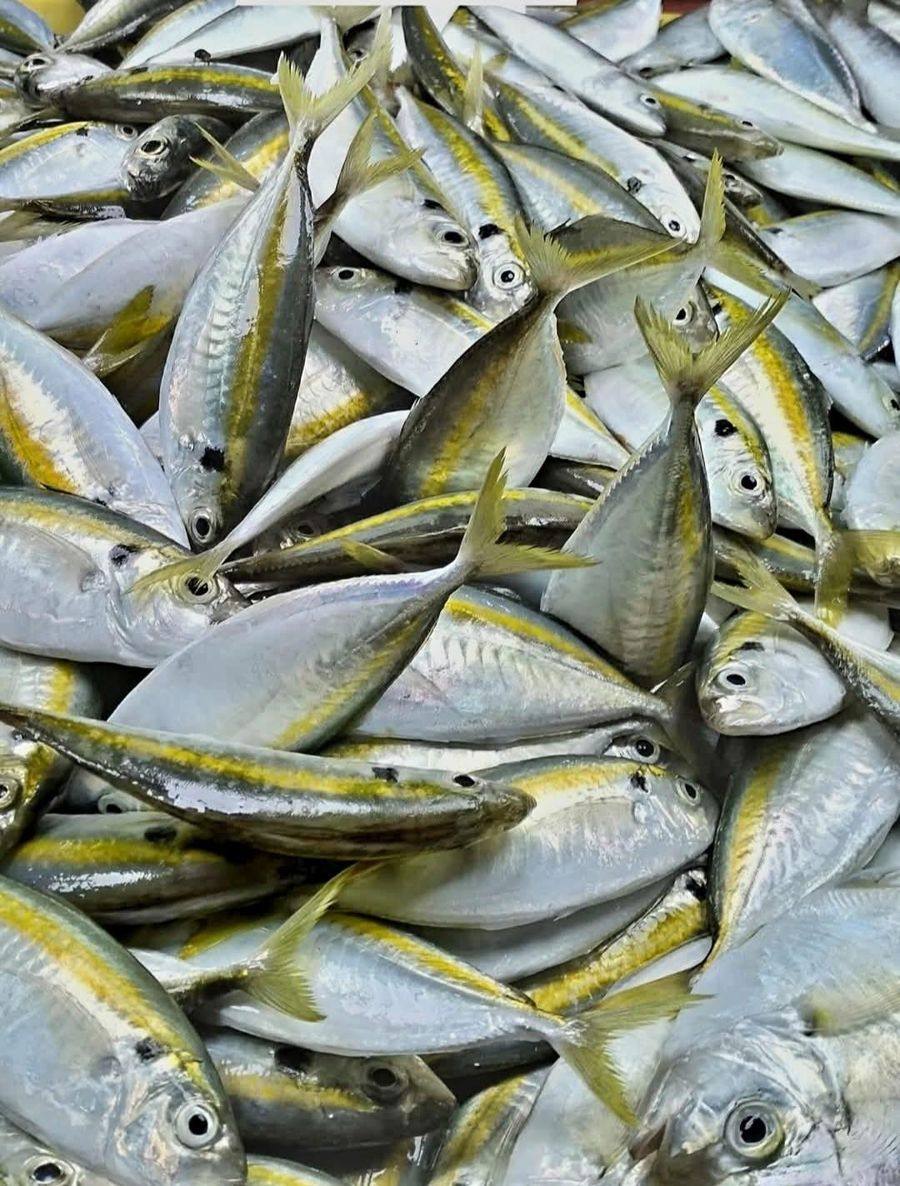
For a snack rather than a meal, fry simusimu whole until the bones crunch.
The grill punishes soft fish. You want dense flesh: nguru and jodari cut into thick steaks, sulisuli kipanga (swordfish), which behaves almost like beef on a grate, and songoro, which is fatty enough not to dry out.
Avoid pono and tafi over fierce heat — they are delicious, but they break up and fall through.
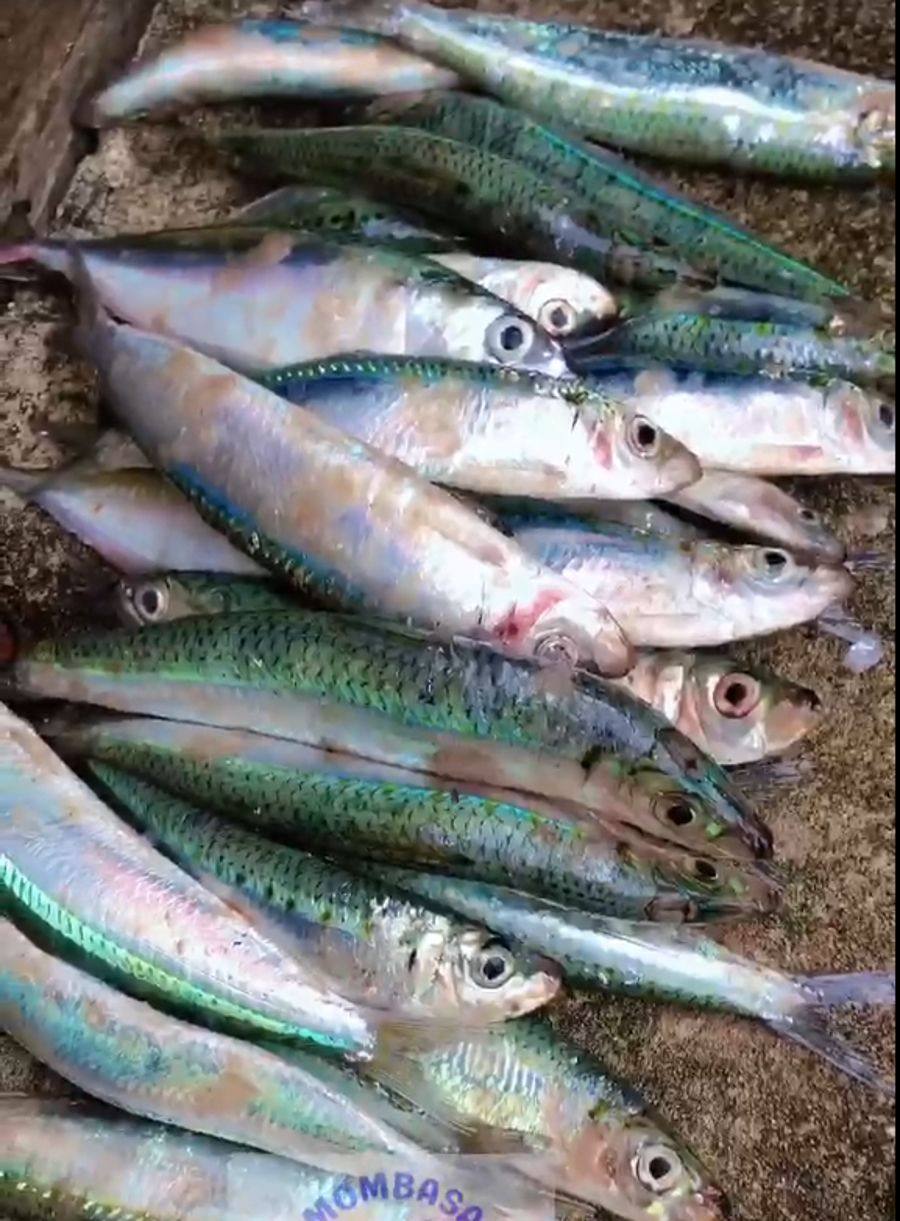
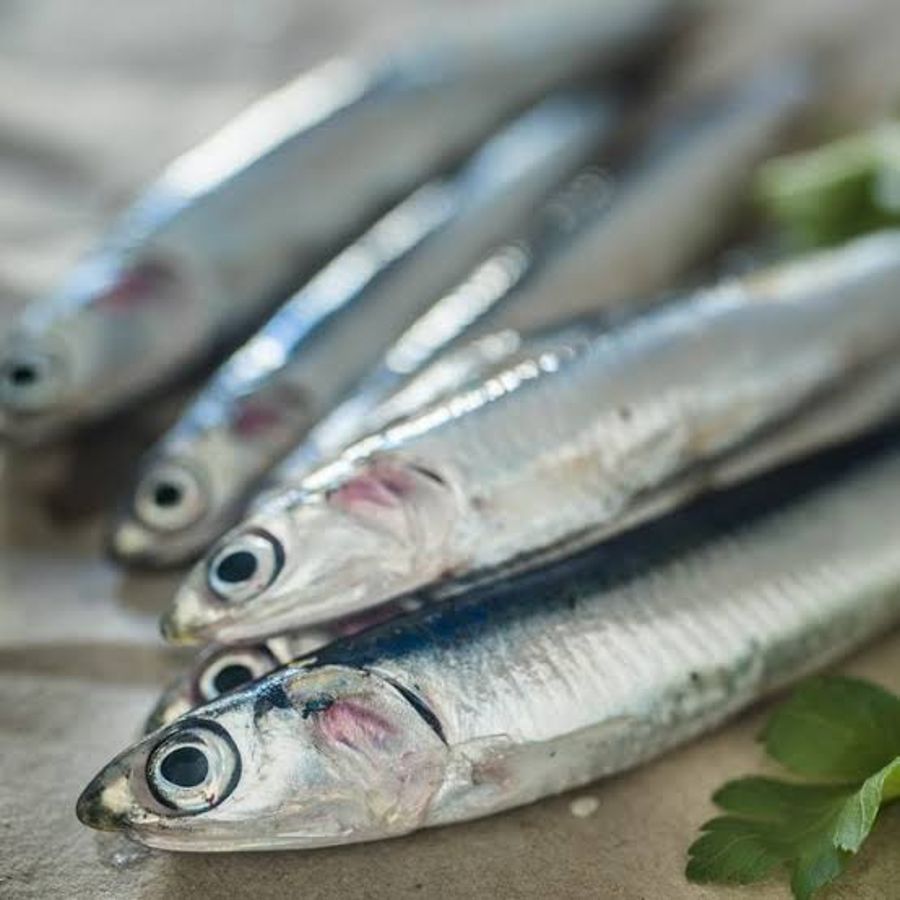
Small oily fish win, and they are the cheapest things we sell. Simusimu (sardines) and una (Indian mackerel) carry omega-3 close to salmon at a fraction of the price. Uwono (anchovies) are eaten whole, bones and all, so they deliver calcium as well.
Salmon is higher still, but it is imported and costs roughly ten times as much per kilo. If omega-3 per shilling is what you are after, buy una.
Mild, boneless and small. Papa (shark steak) is entirely boneless. Pono is the sweetest, gentlest fish on the slab. Tilapia fillets are mild to the point of neutral, which is exactly what a suspicious child wants. Changu has few bones and a taste nobody objects to.
One caution: avoid large predatory fish for young children — swordfish and shark carry more mercury because they are big and long-lived. Small fish like sardines and una carry the least, and are the better regular choice.
Weight for weight and nutrient for shilling, simusimu, uwono and una are unbeatable — high protein, high omega-3, high calcium, lowest price on the page. Among larger fish, tewa and pono at KES 600/kg are the cheapest proper dinner fish we carry.
The Omega-3 Combo bundles all three small fish for less than buying them separately.
Tewa is the mchuzi wa samaki classic — it flakes into large clean pieces that soak up sauce instead of dissolving into it. Changu works the same way. For something richer, kolekole stands up to heavy spice better than any white fish.
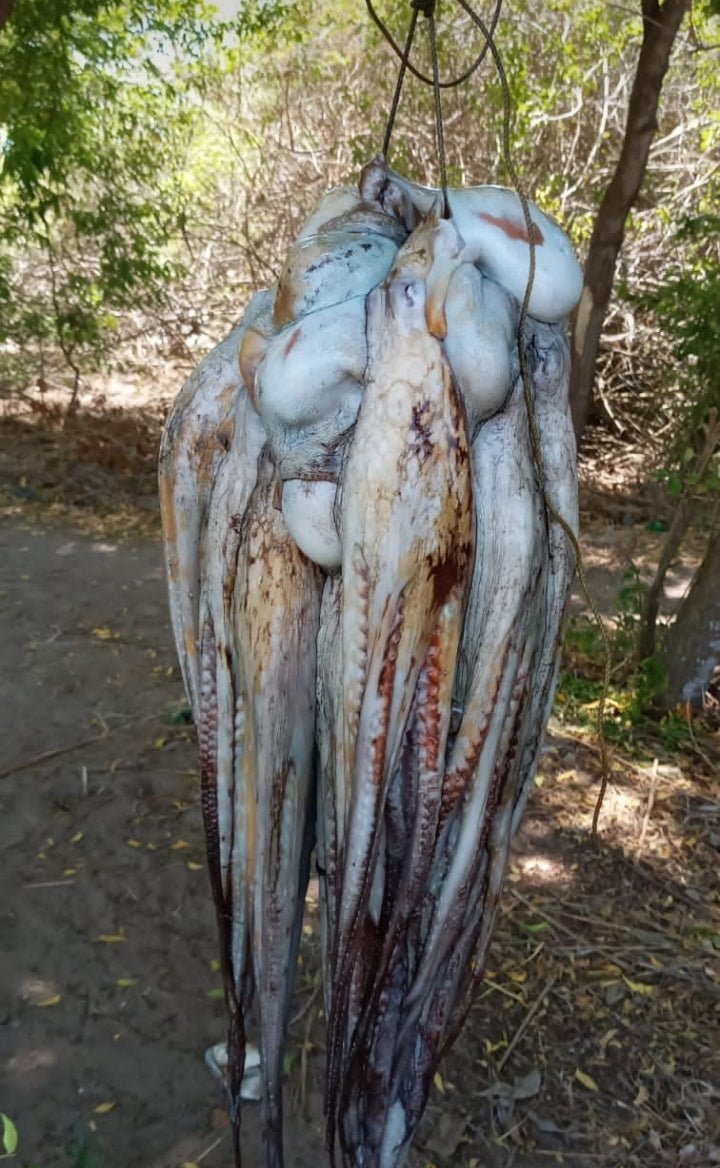
Pweza in coconut curry is the coastal delicacy, but it needs an hour of patient simmering first.
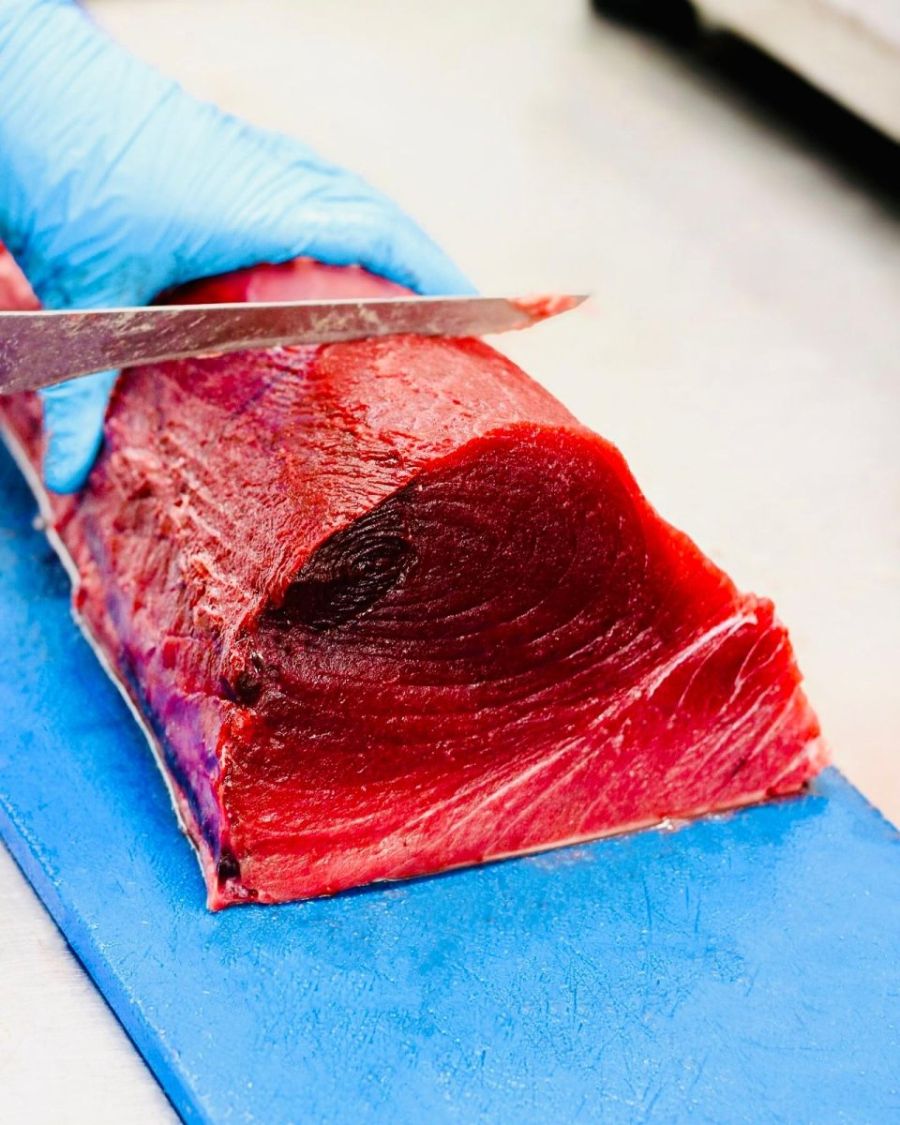
Only jodari (tuna) landed and iced the same morning, and only if you tell us when you order so we handle it accordingly. Salmon is the other option, since it arrives cold-chained for that purpose.
Raw seafood always carries some risk. If you are pregnant, immunocompromised, elderly or feeding young children, cook it through instead — no fish is worth the gamble.
Small, short-lived, well-cooked fish. Simusimu, uwono and una carry the least mercury of anything we sell and are rich in the omega-3 that matters during pregnancy. Changu and tewa are safe, lean and mild.
What to avoid: swordfish and shark, which accumulate mercury as large predators, and anything raw — including tuna sashimi and raw oysters. This is general information and not medical advice; your own midwife or doctor knows your situation.
Fast or slow, never in between. Either char it for 3–4 minutes over fierce heat, or simmer it for 45–60 minutes until a knife slides into the thickest part with no resistance. Anything between those two is where rubber lives.
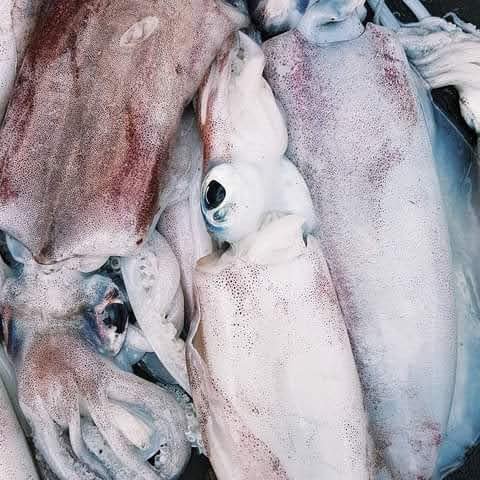
Freezing genuinely helps — ice crystals break down the muscle fibres, so a frozen-then-thawed octopus cooks more tender than a fresh one. The same rule governs ngisi (calamari): two minutes hot, or thirty minutes slow.
Buy changu, ask for it cleaned and gutted, score it three times on each side, rub it with salt and lime, and fry it. It is forgiving, it has few bones, and it is very hard to ruin.
If frying a whole fish still feels like a lot, start with tilapia fillets — no bones, no scaling, no skin to worry about, and about four minutes in a pan.
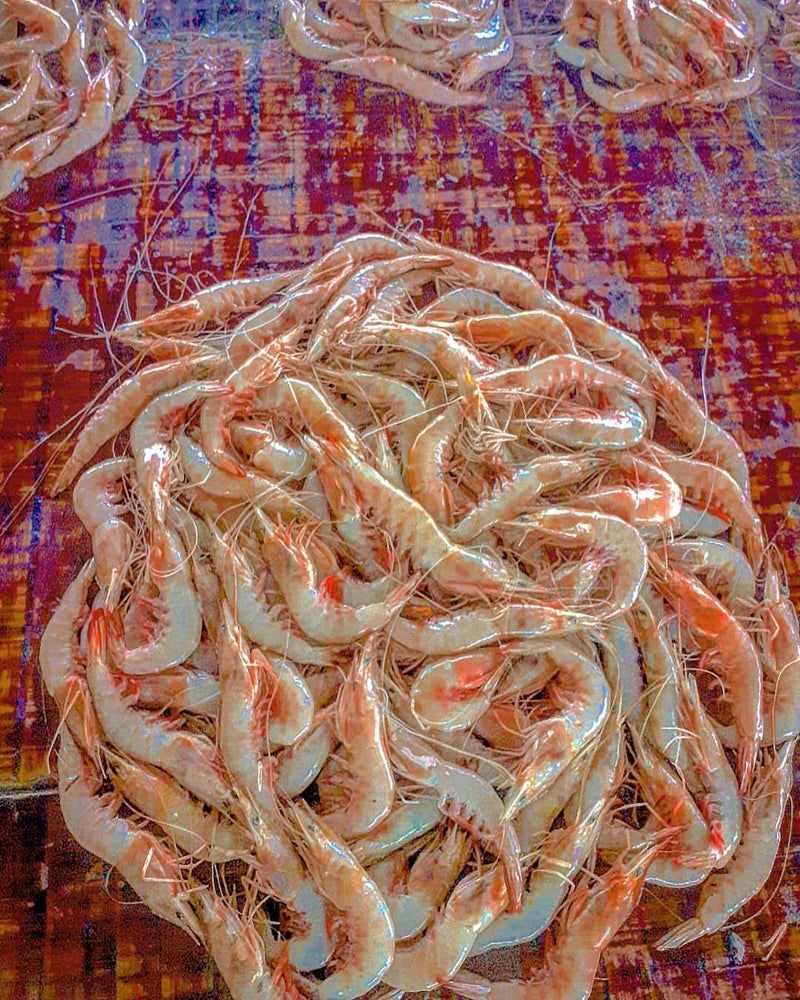
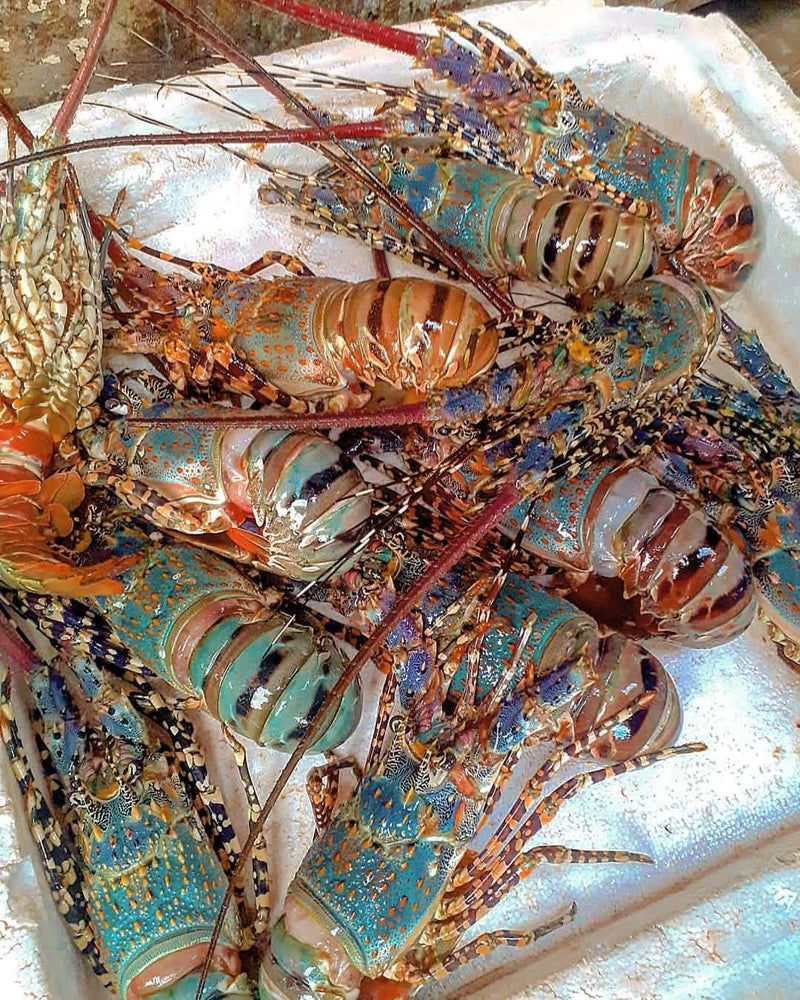
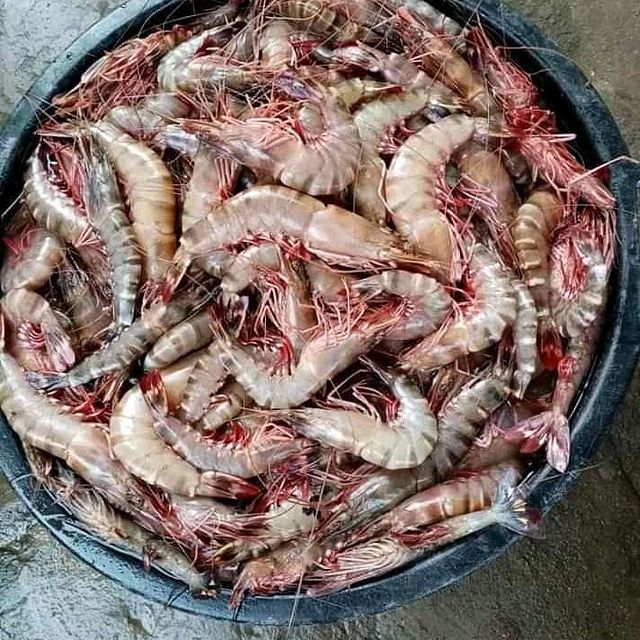
Variety is what people remember. A whole nguru as the centrepiece, lobster and kaa for the eyes, tiger prawns and ngisi for the hands.
That is exactly what the Bwanaharusi Special contains — six kilos, one delivery, priced below the sum of its parts.
Not answered here? Message us on WhatsApp — a person replies, usually within the hour. Or browse the Fish Guide for flavour, firmness and oil on every species.