 MombasaFish
MombasaFish
MombasaFish
Kwale County · Kenya's south coast
Because of where the deep water sits, what grows in the shallows, and how the people here have always fished.
Shimoni sits at the northern edge of the Pemba Channel, the stretch of water between the Kenyan coast and Pemba Island. The channel is unusually deep and it comes unusually close to land — which is the single fact that shapes everything about fishing here.
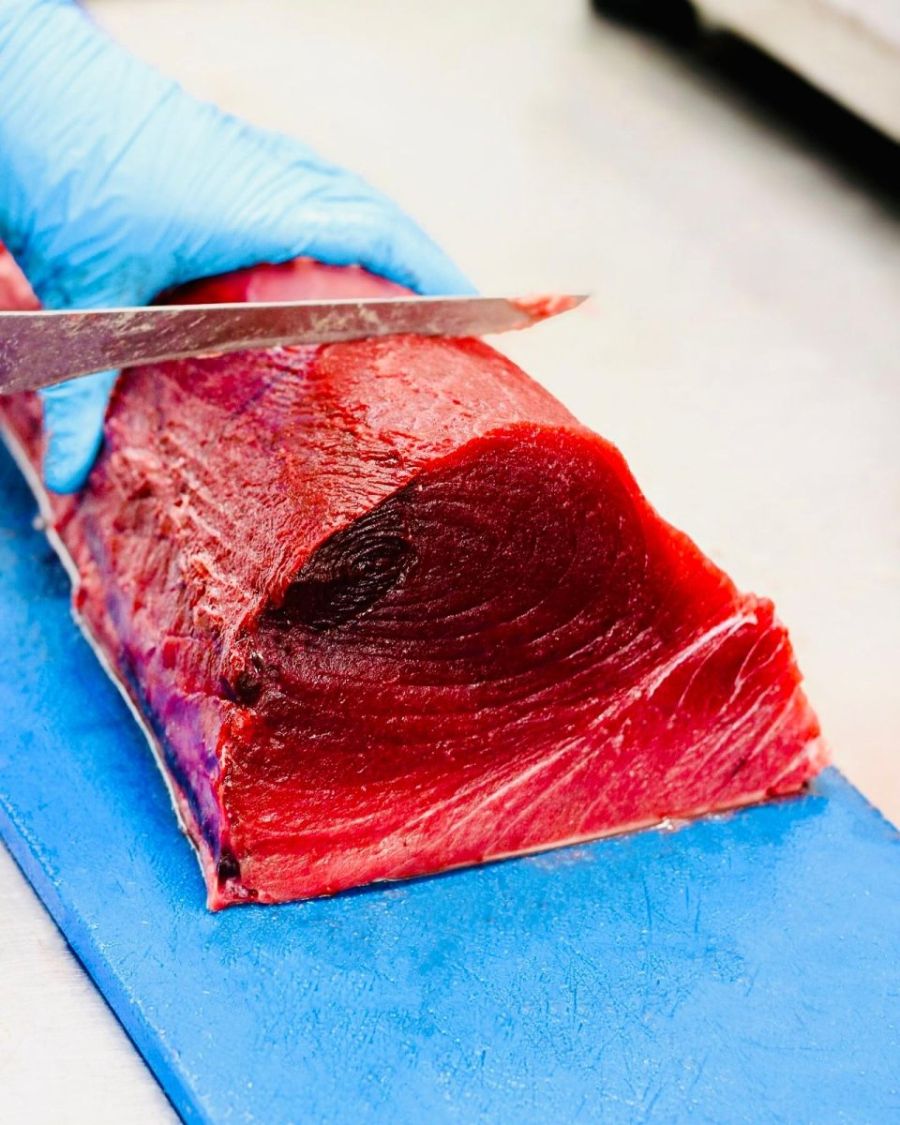
Tuna, kingfish, sailfish and swordfish are pelagic species that normally require a long run offshore. Here the deep water is close enough that a small boat can reach it and be back the same day. That is why a two-man handline boat can land a fish you would otherwise expect from an industrial vessel.
Coral reef, seagrass meadow and mangrove creek all sit within the same short stretch of coast. Each holds different species — reef fish over the coral, rabbitfish grazing the seagrass, crab in the mangrove roots — which is why the catch here is varied rather than monotonous.
The Kisite-Mpunguti Marine National Park and Reserve lies immediately offshore, around Wasini Island. Protected areas function as nurseries: fish that spawn inside them replenish the water around them. A working fishery beside a protected one is a healthier fishery.
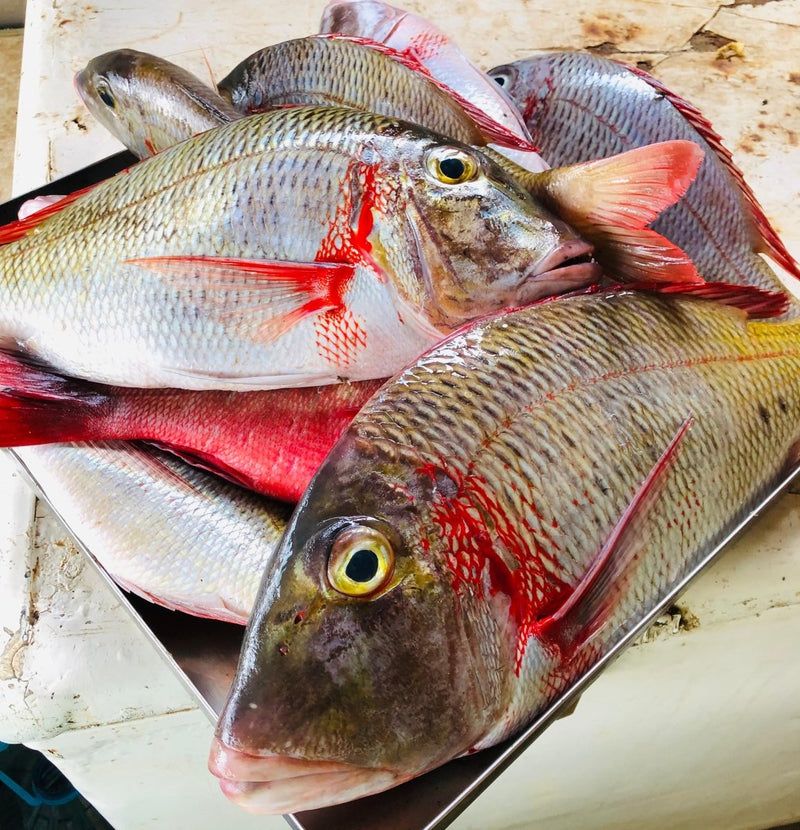
Reef structure is where changu, tewa, pono and snapper live and feed. Reefs are also the most fragile thing on this coast — vulnerable to warming water, to sediment, and above all to gear that drags across them. A fishery that uses handlines and traps rather than bottom trawls leaves the structure standing.
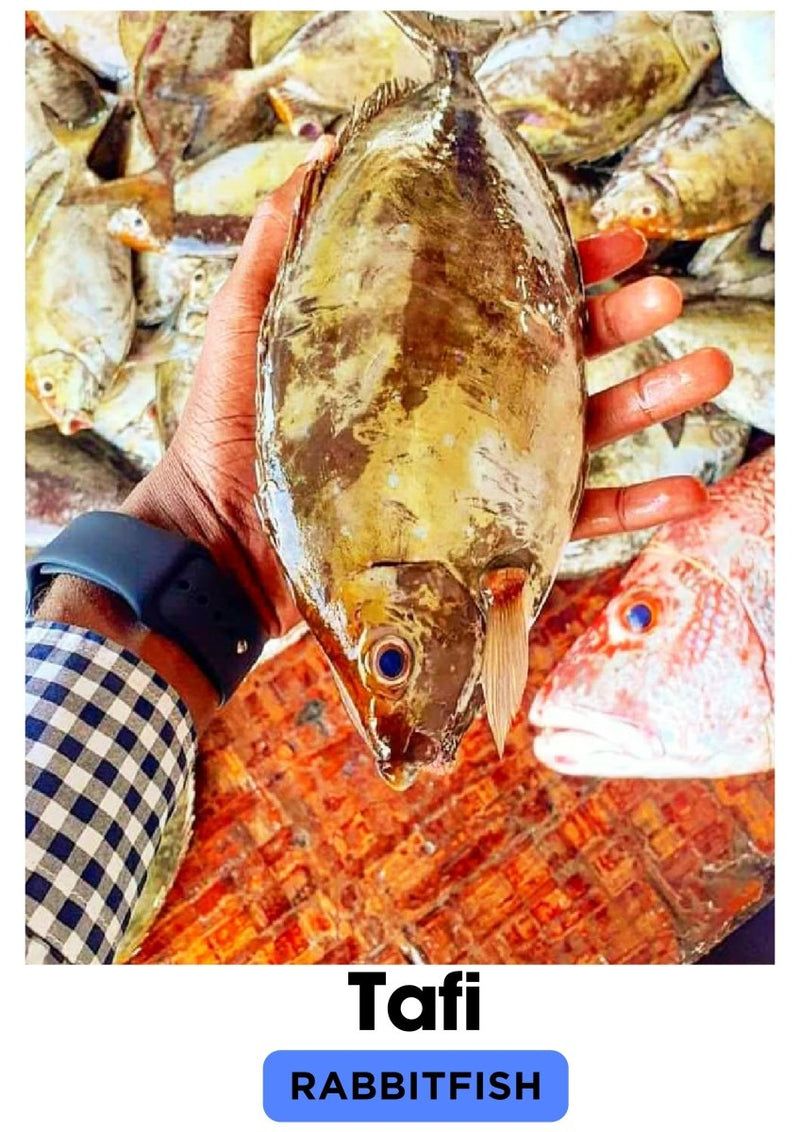
Seagrass is the quiet workhorse of a tropical coast: a nursery for juvenile fish, food for turtles and dugong, a stabiliser of sediment and a substantial store of carbon. Tafi — rabbitfish — graze it directly, which is part of why they are so abundant here.
The mangrove systems of the Kwale coast shelter juvenile fish and prawns and are home to the mud crab (Scylla serrata) we sell. Mangroves also hold the shoreline together and store carbon at rates that put most forests to shame. The mangrove honey we sell exists because keeping bees there gives people an income that depends on the trees staying up.
We describe these habitats as they are generally understood by marine scientists working on this coast. We are a fish business, not a research institute — where you want the evidence rather than our word for it, the FAO's State of World Fisheries and Aquaculture report is a good place to start, and we wrote about the 2026 edition launching in Mombasa.
Fishing at Shimoni is not a business that arrived. It is how the coast has fed itself for a very long time, and the knowledge sits with the men who go out at 04:30 rather than in any manual.
Traditional gear, selective by nature. A handline catches the fish that takes it. A trap can be emptied of undersized fish and they swim off. This is a fishery where the method itself limits the damage.
Which ground fishes on which tide, what the monsoon does to the water, when a species is spawning and should be left alone. Passed from father to son and useless in a book.
Kenya's small-scale fisheries are co-managed through Beach Management Units — community bodies that share responsibility for the local fishery with the state. It is not perfect, but it means the people fishing the water have a formal say in how it is looked after.
Along the same coast, at Kibuyuni and nearby villages, women's cooperatives farm seaweed on lines in shallow water. It is one of the genuine success stories of Kenya's blue economy, and it is where our sea moss comes from.
Tap any stage to see what happens there and why it matters. This is the actual route your order takes — not a diagram we drew to look reassuring.
The Pemba Channel drops to great depth within a few kilometres of the shore. That unusual geography brings open-ocean fish — tuna, kingfish, sailfish — close enough for a small boat to reach and return the same day. Inshore of it sit coral reef, seagrass meadow and mangrove creek, each holding different species.
Why it matters: your fish did not spend three days on a trawler. It was caught within a morning's reach of land.
Small wooden boats, most carrying two to four men, working handlines, traps and small nets. No industrial trawling, no factory ships, no gear that scrapes the reef flat.
Why it matters: gear this selective takes what it targets. It does not flatten the ground it fishes over.
The boats come in and the catch is landed on the beach, sorted by species and size. This is where we buy — from the fisherman, on the sand, the same morning. No broker, no cold-storage limbo, no chain of hands each taking a margin and a day.
Why it matters: this is the step most suppliers skip, and it is the one that decides freshness.
Every fish is checked before it is bought. Clear eyes, red gills, firm flesh that springs back, and the smell of clean sea rather than anything sharper. Anything that fails does not enter the box.
Why it matters: freshness is judged by a person who has to answer for it, not by a date printed on a label.
Cleaned to your preference and packed straight onto ice. The cold chain begins within hours of the fish leaving the water and does not break again.
Why it matters: temperature, not time, is what actually spoils fish. Cold from the first hour is the whole game.
Insulated EPS coolers, sized to your order, sealed with enough ice to hold temperature for up to 72 hours in transit. Box size is matched to weight so nothing rattles and nothing warms.
Why it matters: a good box is why fish can leave Shimoni in the morning and arrive in Nakuru still cold.
Mombasa goes by rider the same day. Everywhere else in Kenya travels by express courier or bus, cooler sealed, with an order number and tracking code issued to you.
Why it matters: you can see where your order is instead of wondering.
It arrives cold, cleaned the way you asked, with the species and the day it landed known. If anything is wrong, one photograph within 24 hours and we replace it or refund it.
Why it matters: traceability is only worth something if it ends with somebody accountable.
Every order carries a number and a tracking code — check where yours is. Stages six through eight are the ones you can watch in real time.